Skip to content

Tool 02 · interactive

Five questions, and we will tell you what to buy.
Buying up a grade you do not need is the most common way to overspend on pallets. Buying down one you do need is the most expensive. This walks the decision the way we would walk it with you on the phone — if we had a phone.
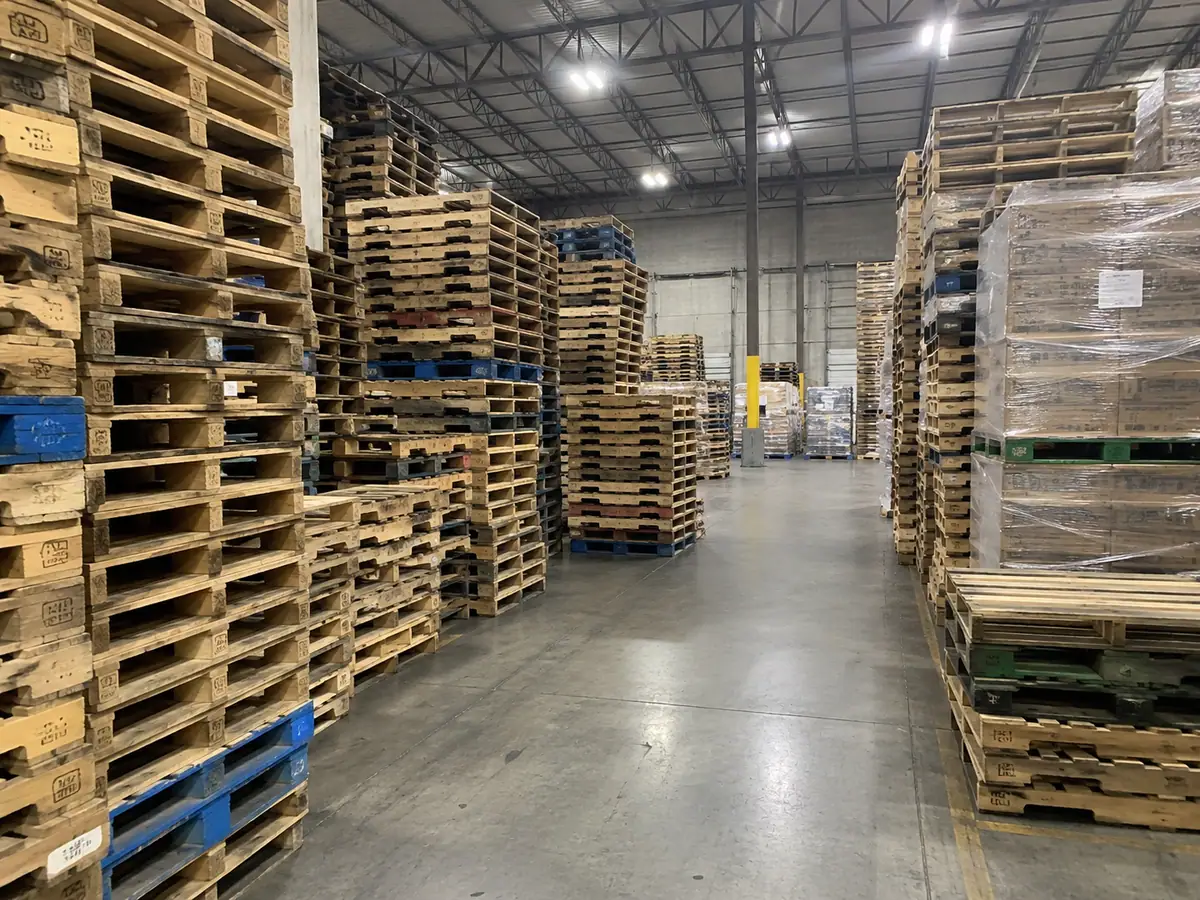
Warehouse aisle lined on both sides with tall stacks of used wood pallets on a polished concrete floor, roof lights overhead
Inside the buildingThe sort aisle at half past seven. Graded stock on the left, waiting to be worked on the right.

Order the specification it gave you

Put the grade and footprint from the result into the form and we will price it.

  • Written quotes, usually inside one business day
  • Loads from 100 pallets to full 53' trailers
  • We buy as readily as we sell — tell us which way it flows
We reply by email, so this needs to be a working address.

US or Canadian 10-digit number. Formats itself as you type.

Two-letter code or full name.

US ZIP (43217) or Canadian postal code (K1A 0B1).

Whole units, digits only.

No phone number required from us — we quote by email so you have the numbers in writing.

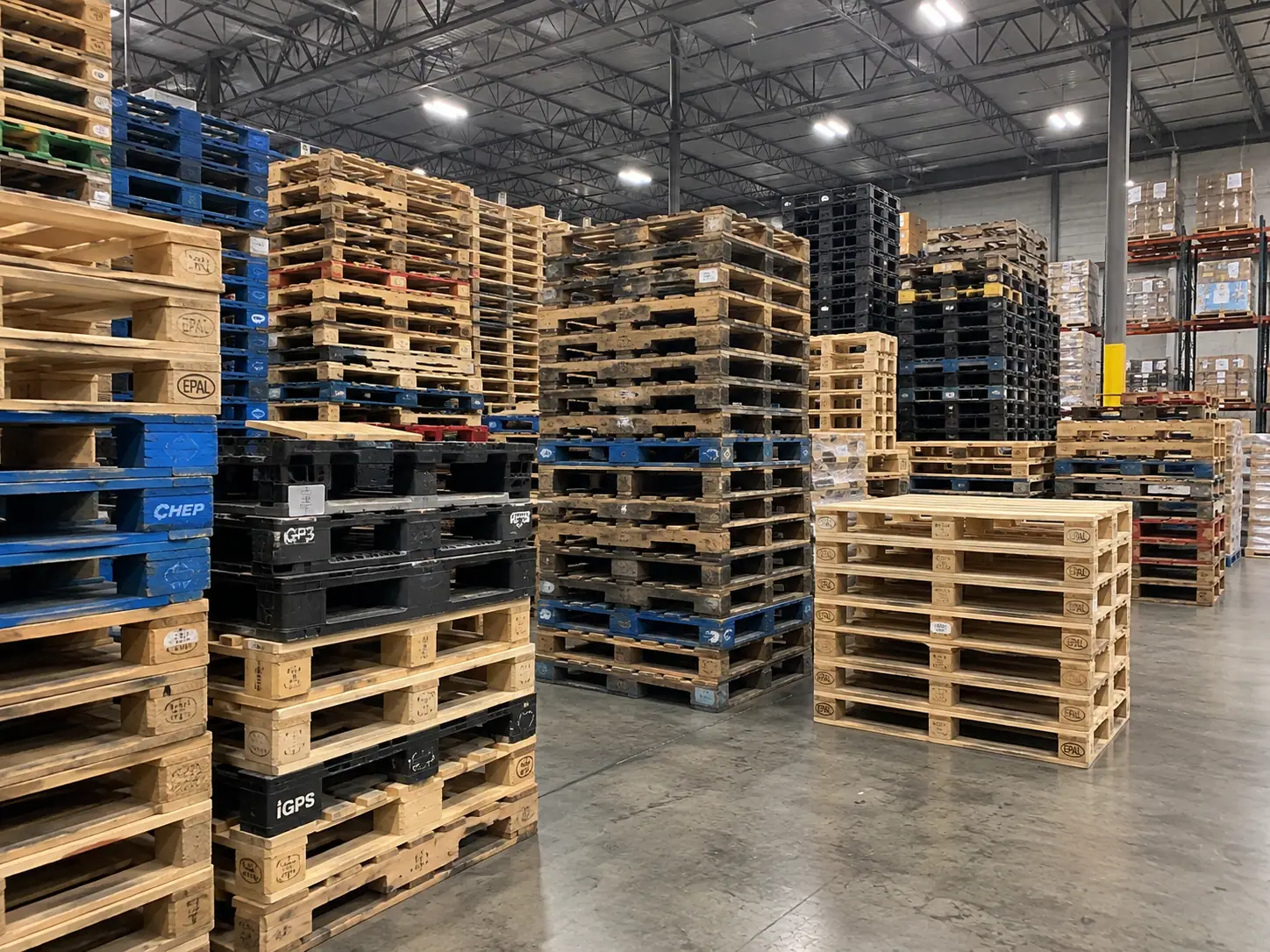
Warehouse interior with pallets sorted by type — natural wood, blue pooled units, black plastic and EPAL stamped stacks

Segregation

Sorted by type, not by convenience. Pooled units go back to the pool; plastic runs a separate stream entirely.

0/5

Question 1

Does the pallet come back to you?

This single answer decides more than anything else on the page. A pallet that returns is an asset; one that leaves is a consumable.

The logic in this tool is the same logic our sales desk uses, and it is deliberately visible: every recommendation comes with the reason attached, so you can disagree with the reason rather than the conclusion.

It will also, in two cases, tell you to buy something we would rather not sell you — plastic for wash-down zones, and new stock for automated handling. Those are the right answers and pretending otherwise would make the rest of the tool worthless.

What it cannot know

Your racking configuration, your receiver’s specification and your own hazard analysis. Those override anything a five-question tool can tell you.

If two answers apply

Take the stricter one. The cost of over-specifying a pallet is a few dollars; the cost of under-specifying one in a rack is a dropped load.

Keep reading