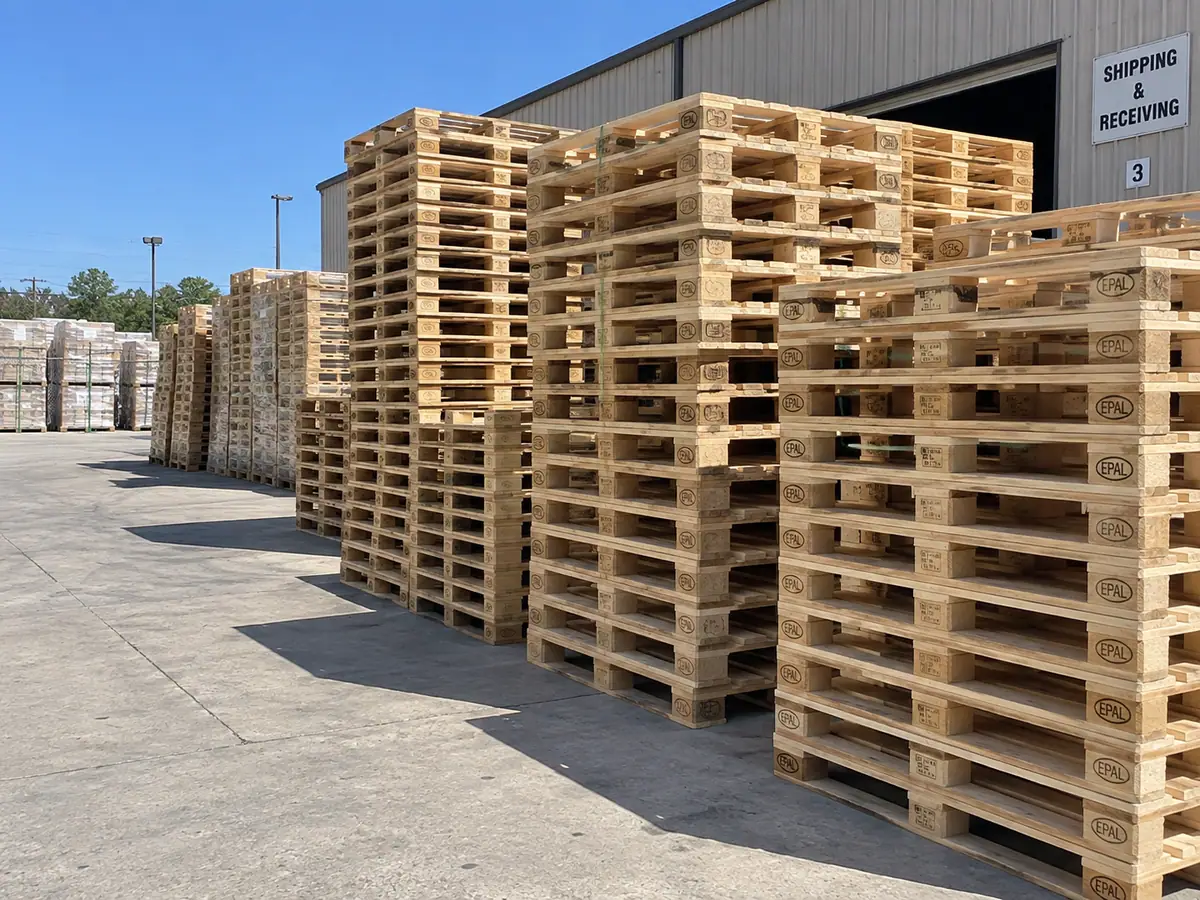
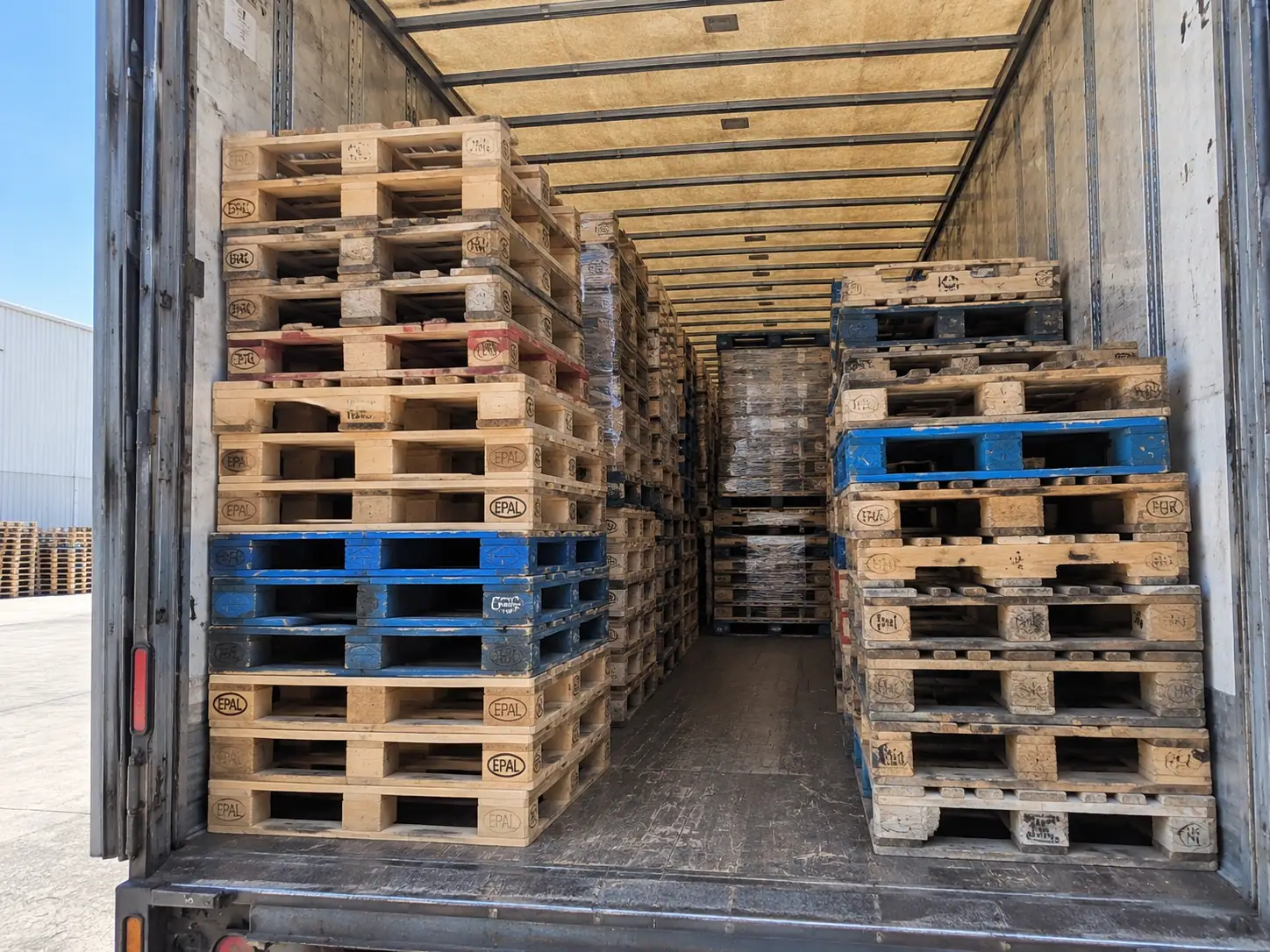
In September we were asked to quote 40,000 units of 48×40 Grade A for delivery over eight weeks. It would have been the largest single order this company has ever taken.
We declined it, and since we have written elsewhere on this site about saying no when the answer is no, it seems reasonable to explain what that looks like in practice rather than as a slogan.
The arithmetic that decided it
Our sustained Grade A output is roughly 3,700 graded units a day. Over eight weeks, that is about 148,000 units, of which around 60% is already committed to programme customers on fixed pricing agreed the previous autumn.
That leaves roughly 59,000 uncommitted units over the period. A 40,000-unit order is 68% of the entire uncommitted capacity for two months.
It could have been done. What it could not have been done alongside is the ordinary flow of spot orders from the customers who buy two or three hundred at a time, several of whom have been doing so since 2014.
The thing about a spike
The problem with a large short-term order is not the order. It is what happens after it.
Eight weeks of running at full commitment means eight weeks of not building the inventory that carries us through spring. It means dismantling less, which starves the repair bench in Q1. It means the smaller customers who could not be served go elsewhere, discover somewhere else, and reasonably stay there.
The order would have been very good revenue for two months and a materially worse business in March.
What we offered instead
12,000 units over the period at our normal pricing, and an honest referral to two other yards in the region who could take a share of the balance.
The referral part is not altruism. This is a small trade and it has a long memory. A yard that refers work it cannot handle gets referred to; a yard that takes everything and fails to deliver gets talked about for years.
In the end the customer split the order across three suppliers including us, which was the correct outcome and probably a better one for them than a single-source arrangement at the edge of one supplier's capacity.
The general principle
Committed volume comes first. If someone booked in October at a fixed price, that stock is theirs in April whatever the spot market is doing and whatever else has been offered to us in the meantime.
That is a boring commitment and it is most of what makes a supplier relationship worth anything. Everything else on this website — the published grading standard, the diversion figures, quoting in writing — is a version of the same idea: say what you will do, then do that.