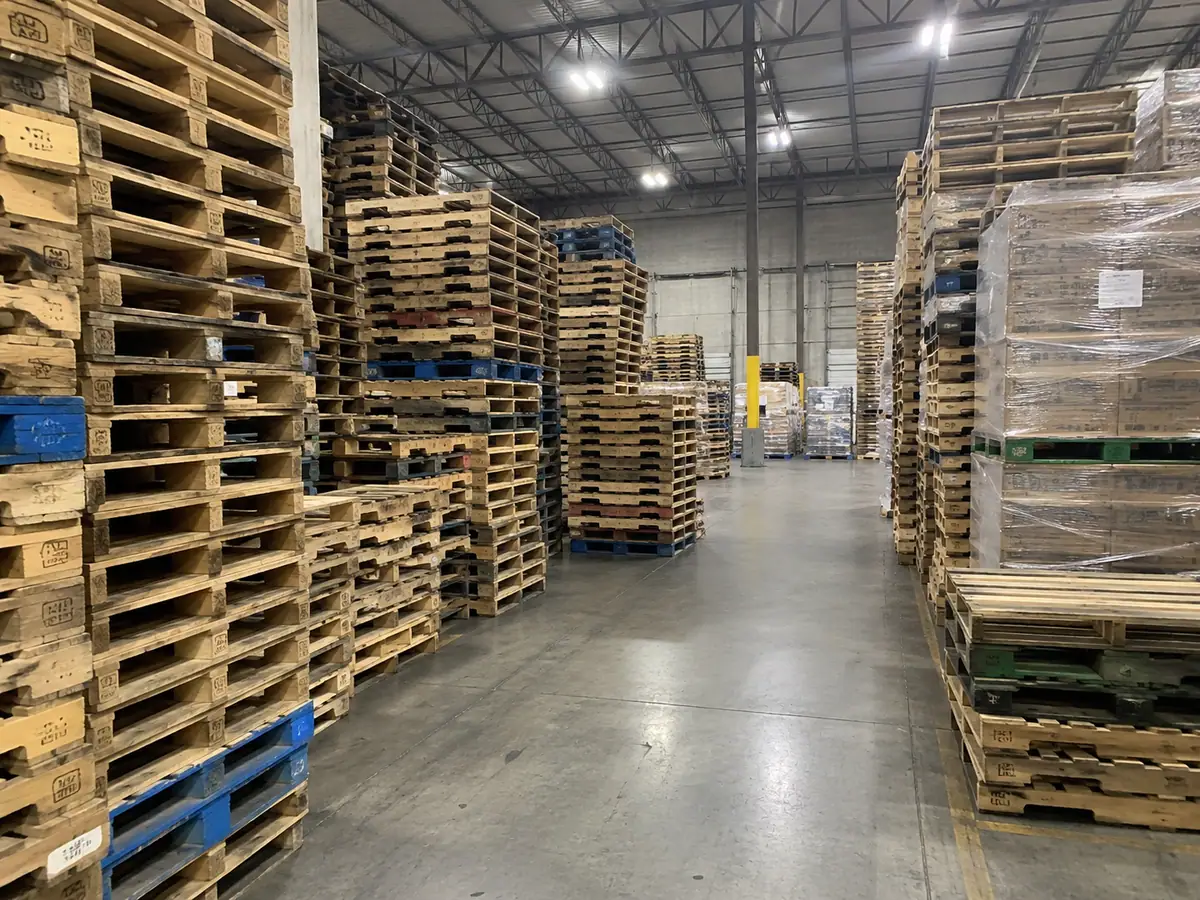
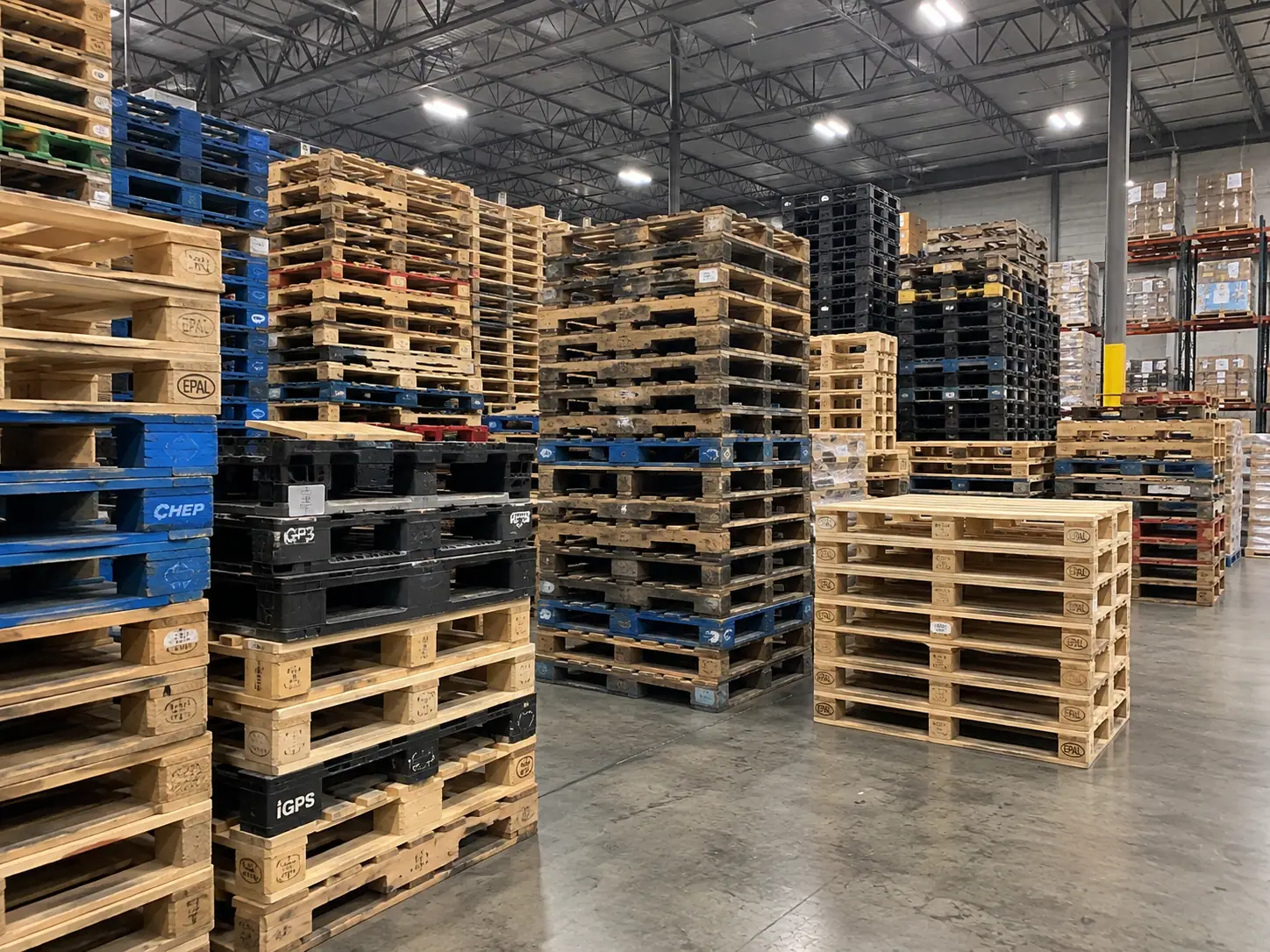
Grading is the most important job in this building and the hardest to hire for, because essentially nobody arrives with the skill. There is no course. There is no certification. There is a person, a sort deck, and about eight months.
This is how we do it, described in case it is useful to anyone else running a yard.
Start on the bench, not the deck
Nobody starts on the sort deck. New people start on the repair bench, taking pallets apart and putting them back together, for six to eight weeks.
The reason is that you cannot judge a pallet properly until you have dismantled a few hundred. You need to have felt how a cracked stringer behaves under a pry bar, seen how far a split runs once you open it up, and learned which breaks look bad and are trivial versus which look trivial and are structural.
People who skip this stage grade by appearance for years. People who do it start grading by structure almost immediately.
The overruling phase
Weeks eight to sixteen, roughly. The trainee grades, an experienced grader stands behind them, and every decision they disagree with gets called and explained.
This is unpleasant and it is the only method we have found that works. It is also the stage where we lose people, and we say so at interview — there is no point discovering in month three that someone finds being corrected intolerable.
The explanation matters as much as the correction. 'That is a B' teaches nothing. 'That is a B because there is a plug in the centre stringer, second nail from the end' builds the pattern.
Calibration, forever
Graders drift. Everyone does. Over months, a person's threshold for what counts as an acceptable split or an acceptable colour variation moves, usually in the direction of leniency when the yard is busy.
So we run calibration: a set of twenty units pulled and graded independently by everyone on the deck, quarterly, with the results compared. Disagreements get discussed as a group. It takes an hour and it is the single most effective quality process we have.
We also re-check about 2% of outbound stock. In 2024 that found a mis-grade in roughly one unit in 640. It is not zero and it will never be zero, and publishing the number keeps everyone honest, including us.
| Stage | Duration | What happens |
|---|---|---|
| Repair bench | 6–8 weeks | Dismantling and rebuilding; learning structure by hand |
| Shadow grading | 2–3 weeks | Watching, calling grades aloud, no production pressure |
| Overruled grading | 8 weeks | Grading for real with an experienced grader correcting |
| Supervised production | 8–12 weeks | Full speed, periodic spot checks |
| Independent | From ~8 months | Quarterly calibration, ongoing 2% re-check |
What we look for at interview
- Tolerance for being corrected. The single strongest predictor. We ask about it directly.
- Comfort with repetition. Two and a half seconds a unit, four hundred an hour. Some people find that meditative and some find it unbearable, and both are legitimate.
- Physical stamina. It is standing work, in a building that is cold in January even under a roof.
- No pallet experience required. Almost nobody has any. We have hired from warehousing, from construction, from retail and from a bakery.
Why we bother
Because the alternative is grading by machine or grading by policy, and neither works. Vision systems can catch some defects and cannot yet make the four-way judgement a person makes in three seconds. Grading by policy — 'anything with a broken board is a B' — either throws away value or ships problems.
Median tenure here is a bit over five years, which in this trade is unusual. That is not an accident and it is not a perks programme. It is that the job is skilled, the skill is recognised, and the person who has been grading for nine years is treated as the expert they are.