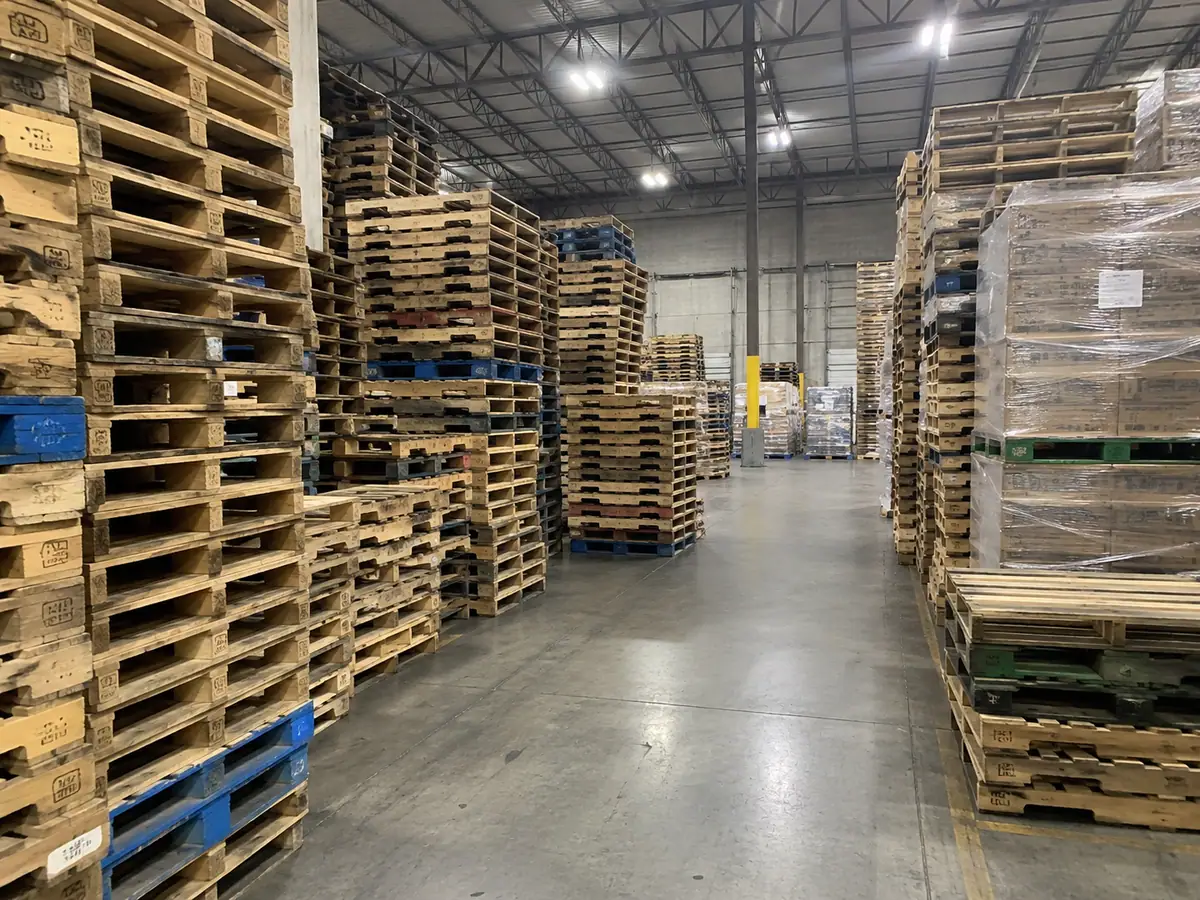
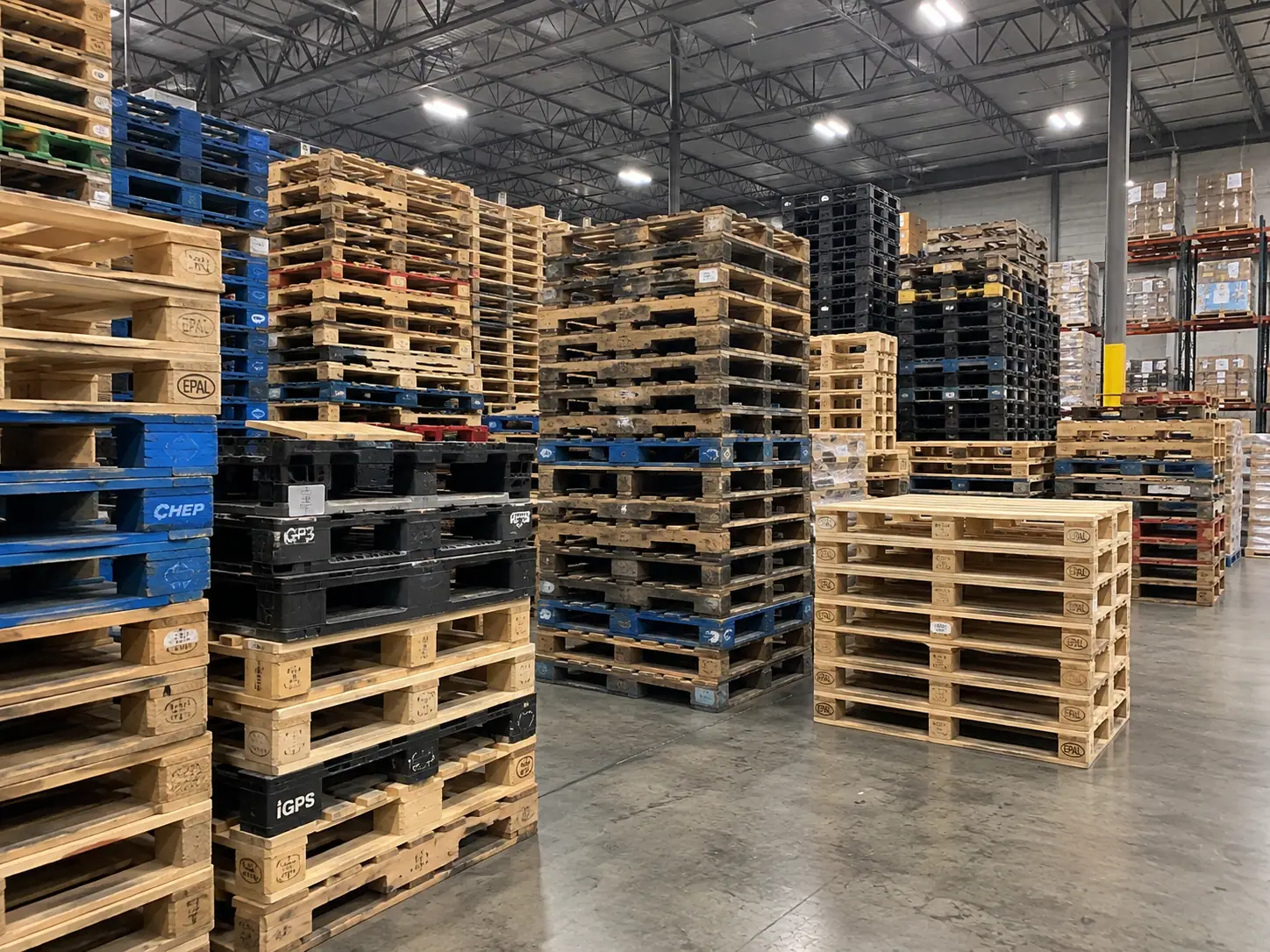
A trailer of whole 48×40 cores is worth somewhere between fifteen hundred and two thousand dollars. It is usually stored outdoors, often behind nothing more than a chain-link fence, and it is completely unmarked.
That combination produces exactly the outcome you would expect, and the industry is oddly quiet about it.
How it works
Almost always at night, almost always with a truck, and almost always from a site where the pile is visible from a road. The material is generic and untraceable, which is most of the appeal.
The buyers are the interesting part. There is a tier of the recycling trade that buys loads cash, no questions, no paperwork, and moves them on the same week. A yard that does not ask where a load came from is a yard that never has to know.
Pooled pallets are a separate and worse problem, because those genuinely belong to somebody who tracks them, and selling them is a legal matter rather than a moral one.
The questions a legitimate buyer asks
We do all four, we decline loads regularly on the basis of the answers, and we are not unusual in that among established yards. The problem is that declining a load simply moves it to the next buyer.
- Where did these come from? A specific answer, not 'a customer'.
- Who is the seller? A registered business, invoiced properly, paid by traceable means.
- Are there branded or pooled units in the load? And what happens to them.
- Can we collect from the site rather than meet you somewhere? The answer to this one is usually the most revealing.
What actually prevents it
| Measure | Cost | Effectiveness | Notes |
|---|---|---|---|
| Move the pile out of sight of the road | Free | High | Most theft is opportunistic |
| Frequent collection | Usually saves money | High | Nothing to steal if the pile is small |
| Stencil your name on the deck | Pennies per unit | Moderate | Makes resale awkward and traceable |
| Lighting | Low | Moderate | Standard deterrent |
| Camera on the pile | Low | Moderate | Useful mostly after the fact |
| Store indoors | Space | Very high | Also preserves grade, so it pays twice |
The uncomfortable part
A pile of pallets that is worth stealing is a pile you should have sold. In almost every case we have looked at, the material had been accumulating for months and nobody had asked what it was worth.
So the honest advice is not really about security. It is that a standing collection turns a two-thousand-dollar liability sitting behind your fence into revenue, removes the fire code conversation, and takes back the floor space. Theft prevention is a side effect.